Barcelona vs. Madrid: Which City is Best for Digital Nomads?
- August 19, 2025
- Posted by: Viktor Vincej
- Category: Latest News
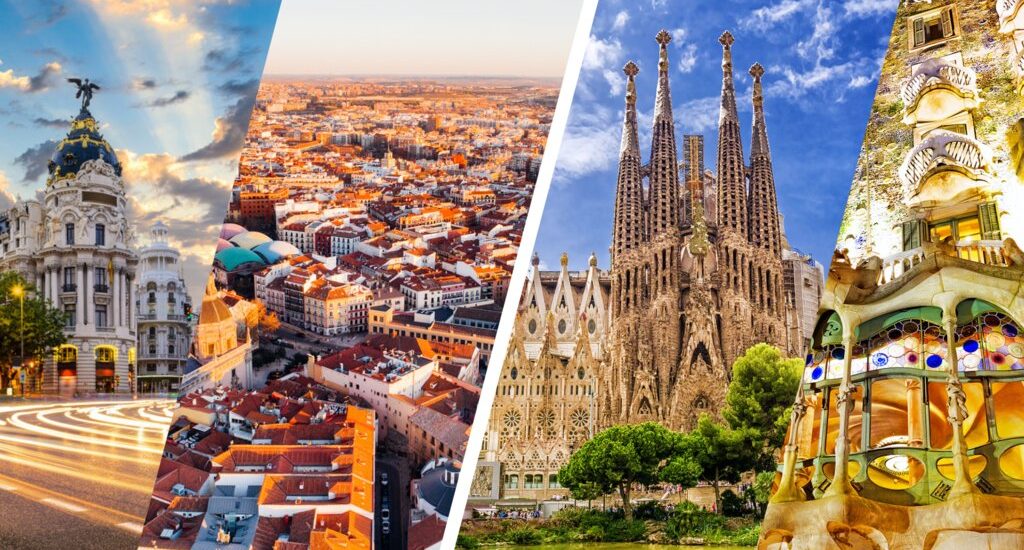
As Spain consolidates its position as a leading destination for digital nomads, Barcelona and Madrid stand out as the two most popular urban bases for professionals seeking to blend work with lifestyle in Europe. Both cities attract location-independent workers with robust infrastructure, vibrant communities, and enviable cultural landscapes, yet they differ significantly in what they offer.
The question on many nomads’ minds in 2026 is: Which city actually delivers the best overall experience for digital nomads? This analysis examines cost of living, quality of life, community and work infrastructure, and lifestyle to help remote professionals decide.
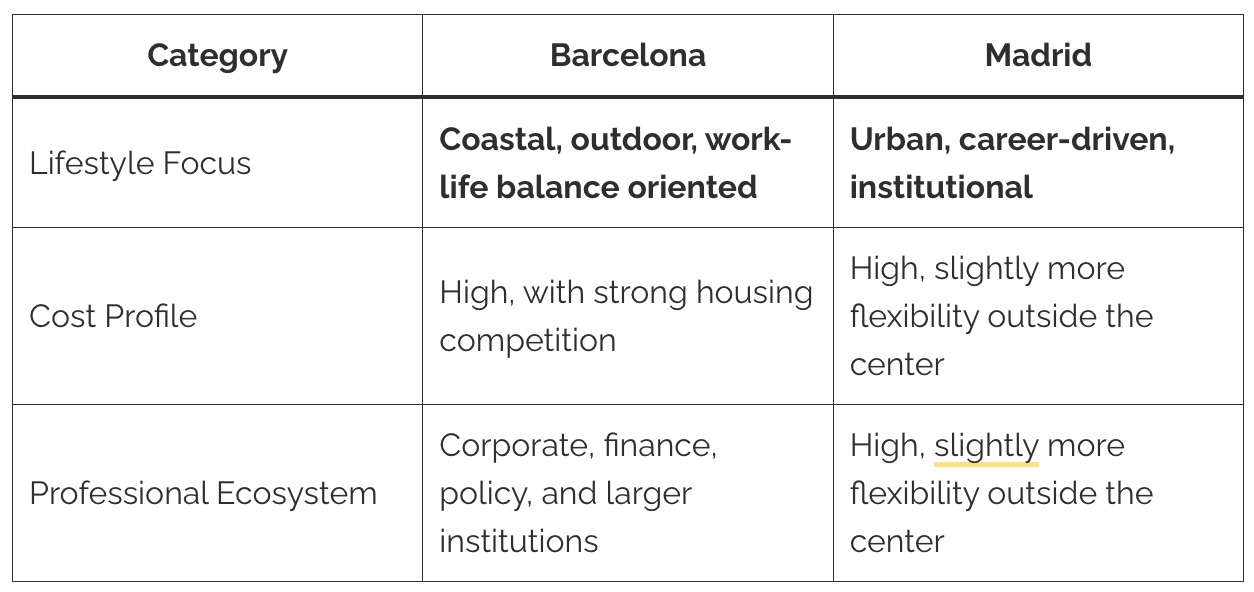
At-a-Glance Comparison
Cost of Living and Practical Expenses
One of the first considerations for any digital nomad is cost. While Spain overall is considerably more affordable than many Western European nations, both Barcelona and Madrid sit at the higher end of Spanish living costs due to their status as global cities.
Average monthly rental costs for a one-bedroom apartment in central areas of either city typically range from approximately €800 to €1,200, occasionally rising higher in premium neighborhoods. These figures are generally lower than major European capitals like Paris or London but still reflect a premium compared to smaller Spanish cities. Eating out, local transport, and utilities also tend to fall within a moderate range when benchmarked against comparable European metropolitan centers.
According to cost-of-living surveys, Madrid’s average monthly cost of living for a remote worker is under €1,700, reinforced by stable trends after recent price fluctuations. Nomads who prioritize budgeting may find marginally better value in peripheral neighborhoods or through shared/co-living arrangements common in both cities.
Quality of Life: City Dynamics and Lifestyle
When it comes to quality of life, the two cities diverge in character and appeal.
Madrid, Spain’s capital, is frequently cited in international studies for its overall livability. An index by Deutsche Bank placed Madrid significantly ahead of Barcelona in global quality-of-life rankings, scoring strongly in areas such as healthcare access, transportation efficiency, and urban mobility, despite higher costs. As a political and economic hub, it offers extensive services, corporate headquarters, research institutions, and a cosmopolitan pace that many professionals find energizing.
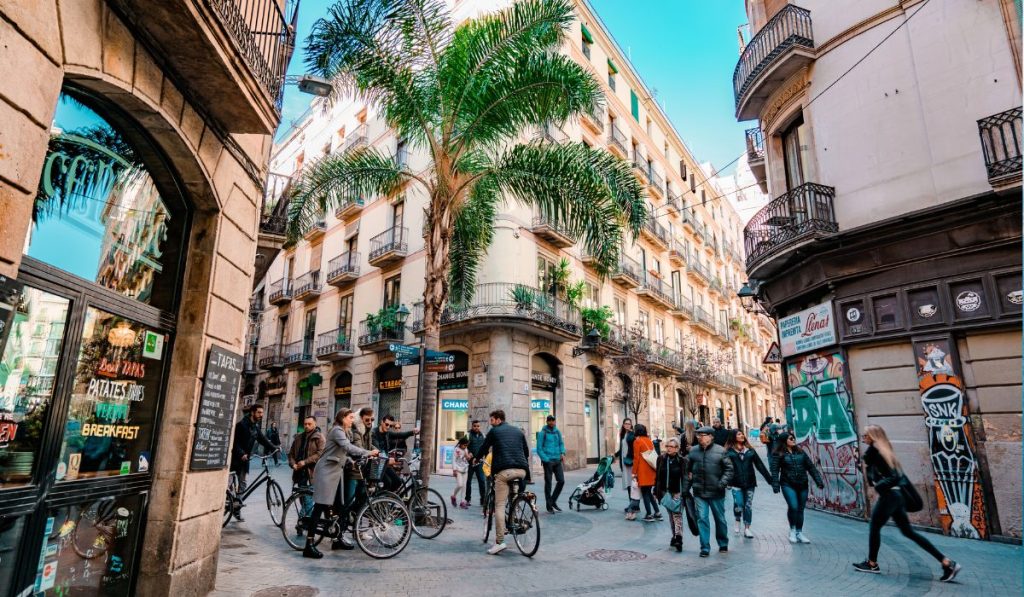
Barcelona, by contrast, is famed for its mild Mediterranean climate, coastal access, and architectural heritage. The mix of urban sophistication with seaside leisure makes it particularly attractive to nomads seeking a lifestyle that blends work and outdoor leisure. While Barcelona may rank slightly lower in some quality-of-life studies, its lifestyle advantages—beaches, walkability and cultural vibrancy—are frequently highlighted in nomad‐oriented guides.
Community and Remote Work Infrastructure
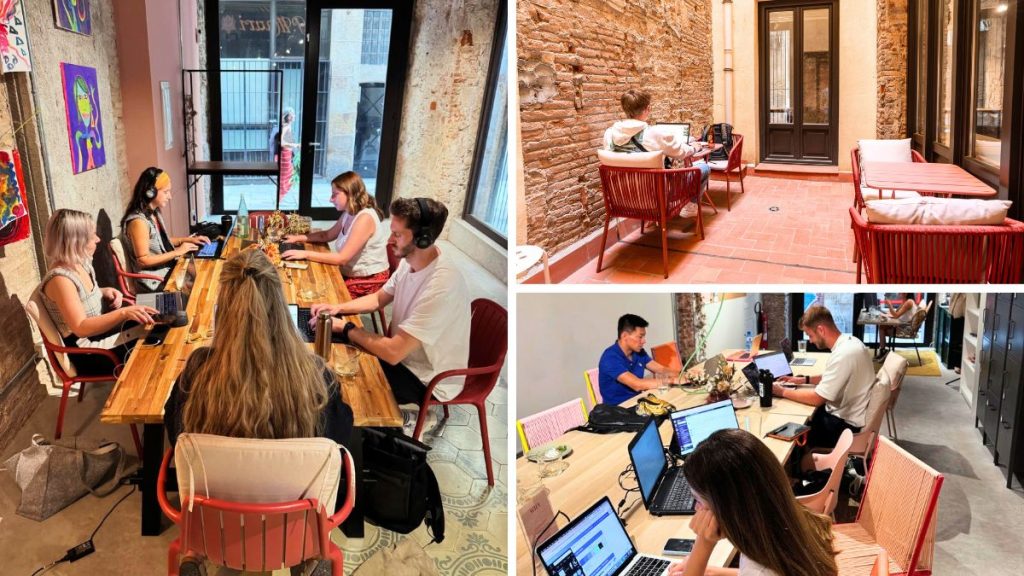
For digital nomads, having a supportive community and reliable work infrastructure is essential. Both cities offer extensive coworking ecosystems with abundant spaces designed for remote work, networking, and collaboration.
Recent industry reporting shows that flexible workspace operator Networkia manages tens of thousands of square meters of coworking space between Madrid and Barcelona, reflecting robust demand in both urban centers. In Madrid, expansion has been particularly aggressive due to high demand and limited supply, while Barcelona continues to grow with new facilities clustered around key districts.
Nomads also benefit from active expat and remote work communities in both cities. In Barcelona, the large international scene and cafe culture make it easy for newcomers to integrate and socialize, while in Madrid, events, meetups, and professional networks tied to the capital’s corporate and tech sectors support both social engagement and career opportunities.
Culture, Leisure, and Everyday Living
Barcelona’s lifestyle appeal is rooted in its cultural richness and Mediterranean setting. Access to beaches, mountain proximity, and year-round favorable weather contribute to its reputation as a vibrant and livable city for those who seek more than just workspace. Dining culture, art, and outdoor activities are integral to daily life, attracting nomads who prioritize experience alongside productivity.
Madrid, as a cosmopolitan capital, offers a dense cultural calendar, museums, historic neighborhoods, and nightlife that ranks among Europe’s best. Its central location also makes it an efficient hub for travel within Spain and across Europe. The city’s investment climate and status as an economic powerhouse provide additional professional incentives for nomads who may be mixing freelance work with entrepreneurial ambitions.
A Nomad’s Perspective
To provide direct insight, we spoke with a recent arrival to Spain’s remote work scene. Ana Weber, a freelance UX designer from Berlin who has spent six months working in both Barcelona and Madrid, said: “Barcelona feels like a ‘work-life city’—you can close your laptop and be on the beach within minutes. Madrid feels more like a career move; there’s energy, opportunity, and it pushes you professionally.” Weber’s view underscores the often subjective nature of the choice, driven by individual priorities.
Conclusion: Tailoring the Choice
Ultimately, the decision between Barcelona and Madrid for digital nomads comes down to priorities:
- Barcelona excels in lifestyle, climate, and coastal culture, making it ideal for nomads who value leisure and outdoor living as part of their daily routine.
- Madrid offers broader professional networks, a stronger corporate ecosystem, and higher quality-of-life indicators in metrics like healthcare and transportation, suited for those focused on career growth and urban services.
Both cities benefit from Spain’s digital nomad visa framework, expansive communities, and relative affordability compared to other Western European capitals, ensuring that nomads of varying preferences will find compelling reasons to base themselves in either location.
For remote professionals planning their next move in 2026, the choice between Barcelona and Madrid should reflect where they see the strongest alignment between work, lifestyle, community, and long-term goals.