Spain Sees Influx from Dubai as Digital Nomad Visa and Conflict Drive Demand
- March 26, 2026
- Posted by: Viktor Vincej
- Category: Latest News

Spain is emerging as a top destination for expatriates and remote workers leaving Dubai, with its digital nomad visa and lifestyle appeal fueling a notable shift in migration and tourism patterns.
Rising Movement from Dubai to Spain
Recent reports from the Majorca Daily Bulletin indicate what some analysts describe as a growing “exodus” of expatriates from Dubai toward Spanish destinations such as Mallorca, Barcelona and Marbella. The movement is partly attributed to geopolitical tensions in the Gulf region, particularly concerns linked to instability involving Iran.
Local real estate agents in Mallorca report a surge in rental demand from professionals currently based in Gulf states. According to British media estimates, more than 37,000 expatriates have recently left Dubai, with Spain positioned as a preferred alternative.
A real estate agent cited by local media said, “We are already noticing an increase in demand for rental properties on the island from expats in Gulf states.”
Digital Nomad Visa Driving Relocation

A central factor behind the trend is Spain’s digital nomad visa, introduced to attract remote workers. The visa offers a flat 24% income tax rate on earnings up to €600,000, along with streamlined processing times and residency pathways.
Key advantages include:
- Initial three-year residency, renewable for two additional years
- Eligibility for permanent residency after five years
- Inclusion of family members in applications
- Access to the European Union’s Schengen Area
Unlike Spain’s former golden visa scheme, the digital nomad visa does not require large upfront investments, making it more accessible to high-earning professionals working remotely.
However, experts note that tax benefits can vary depending on employment status, with freelancers often subject to Spain’s standard self-employed tax regime.
Here at DigitalNomadVisaSpain.Online, we offer free webinars and digital nomad visa consultancy. Reach out if you would like to learn more.
Tourism Shift: Spain Gains Over Dubai
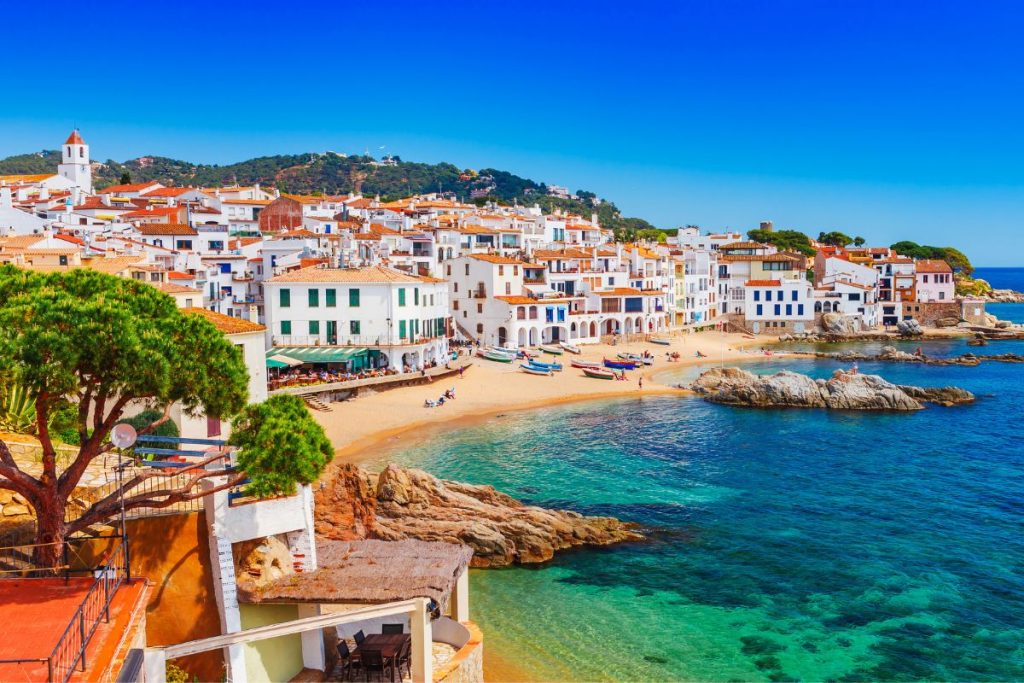
The shift is not limited to long-term relocation. Tourism patterns are also changing, with Spain increasingly competing with Dubai as a leisure destination.
According to a report by BBC News, tourists are increasingly choosing Spain over Dubai, driven by rising costs in the Gulf and broader regional uncertainty.
The report highlights that European destinations are benefiting from both affordability and perceived safety, reinforcing Spain’s appeal for short-term visitors and long-term residents alike.
Economic Impact and Local Concerns
While the influx brings economic benefits, including increased spending and property demand, it also raises concerns among local communities.
Residents in Mallorca and other hotspots warn that rising demand from foreign professionals is pushing up rents and property prices, exacerbating existing housing shortages.
Critics argue that policies designed to attract high-income remote workers may unintentionally strain local infrastructure and affordability.
At the same time, supporters emphasize that digital nomads contribute to local economies without directly competing in domestic job markets, as they typically work for foreign employers.
A Broader Shift in Global Mobility
The movement from Dubai to :contentReference[oaicite:2]{index=2} reflects a broader recalibration in global mobility trends. Geopolitical risk, tax optimization, and lifestyle preferences are increasingly shaping where professionals choose to live and work.
With its climate, infrastructure, and favorable visa policies, Spain is positioning itself at the center of this shift—attracting not only tourists but also a growing class of globally mobile workers seeking stability and quality of life.